Safety and backup · Key Biscayne, FL
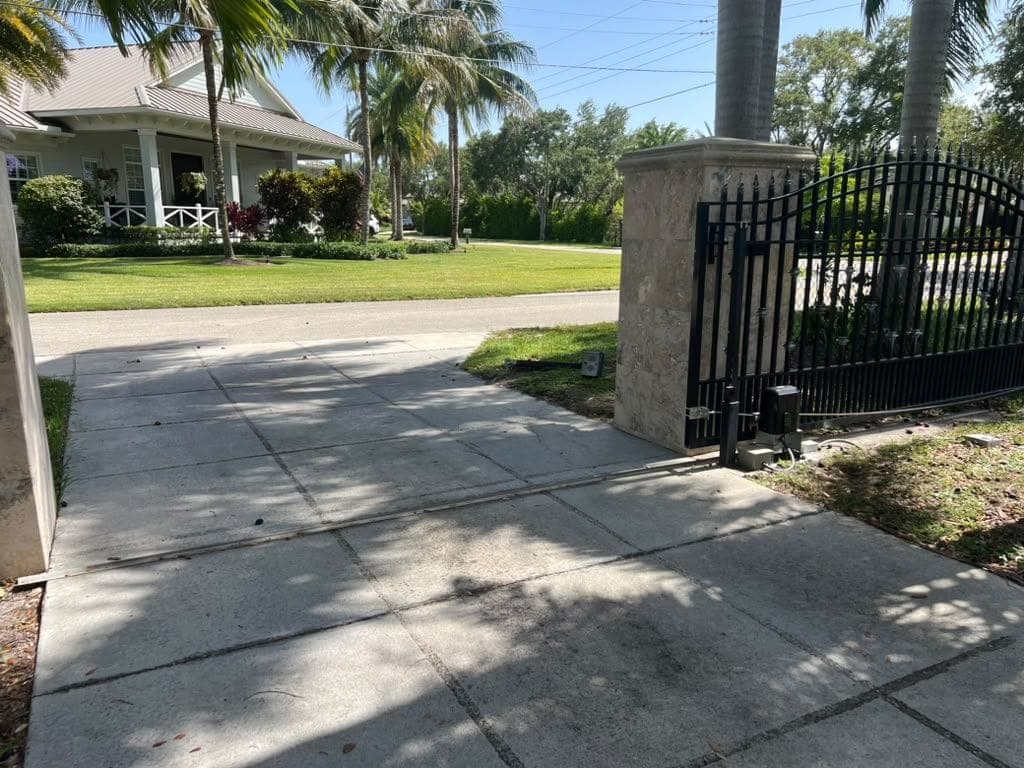
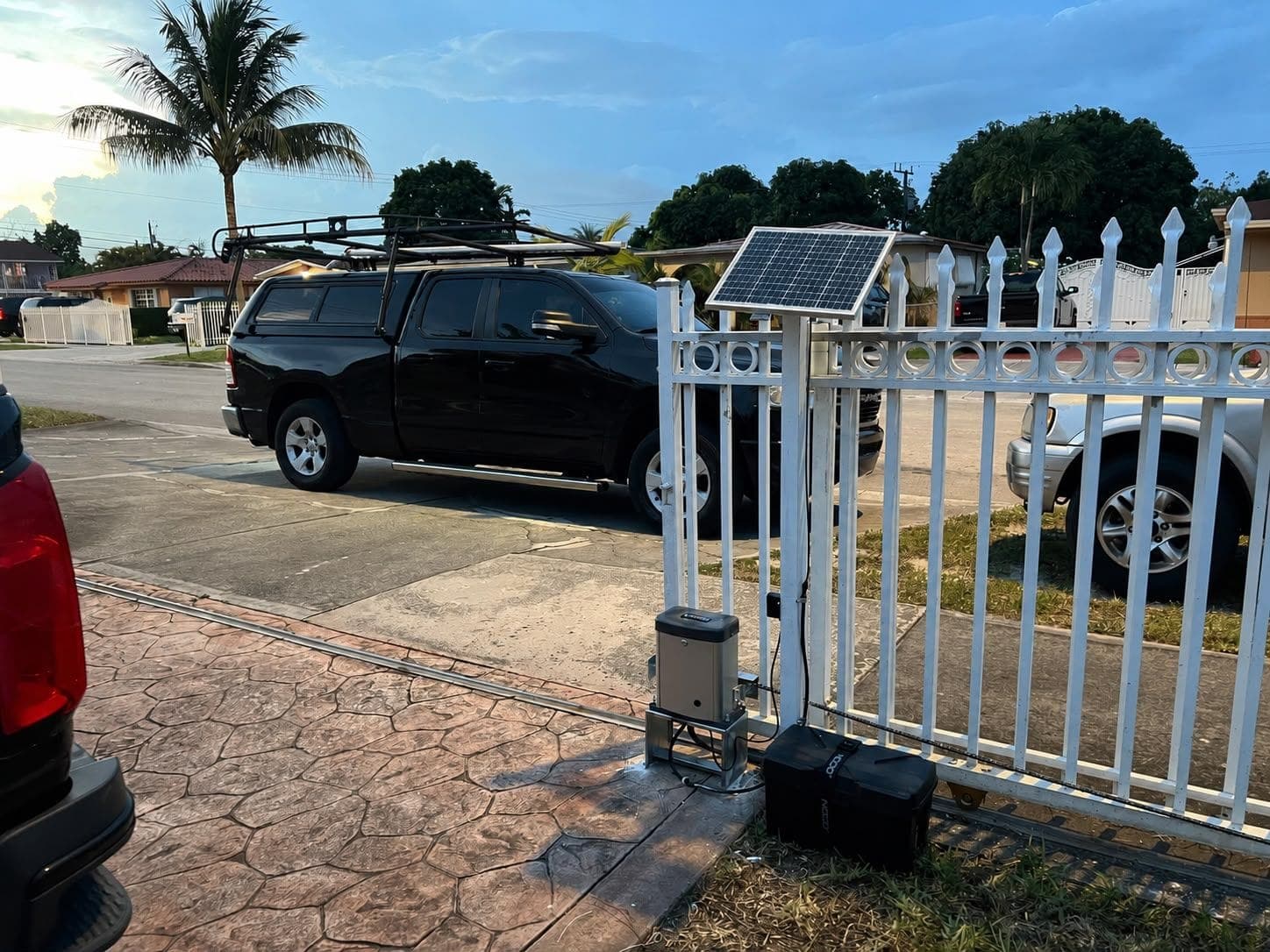
Photo-eyes, edge sensors and a manual release on every install.
Automatic Gates · Key Biscayne
05 frames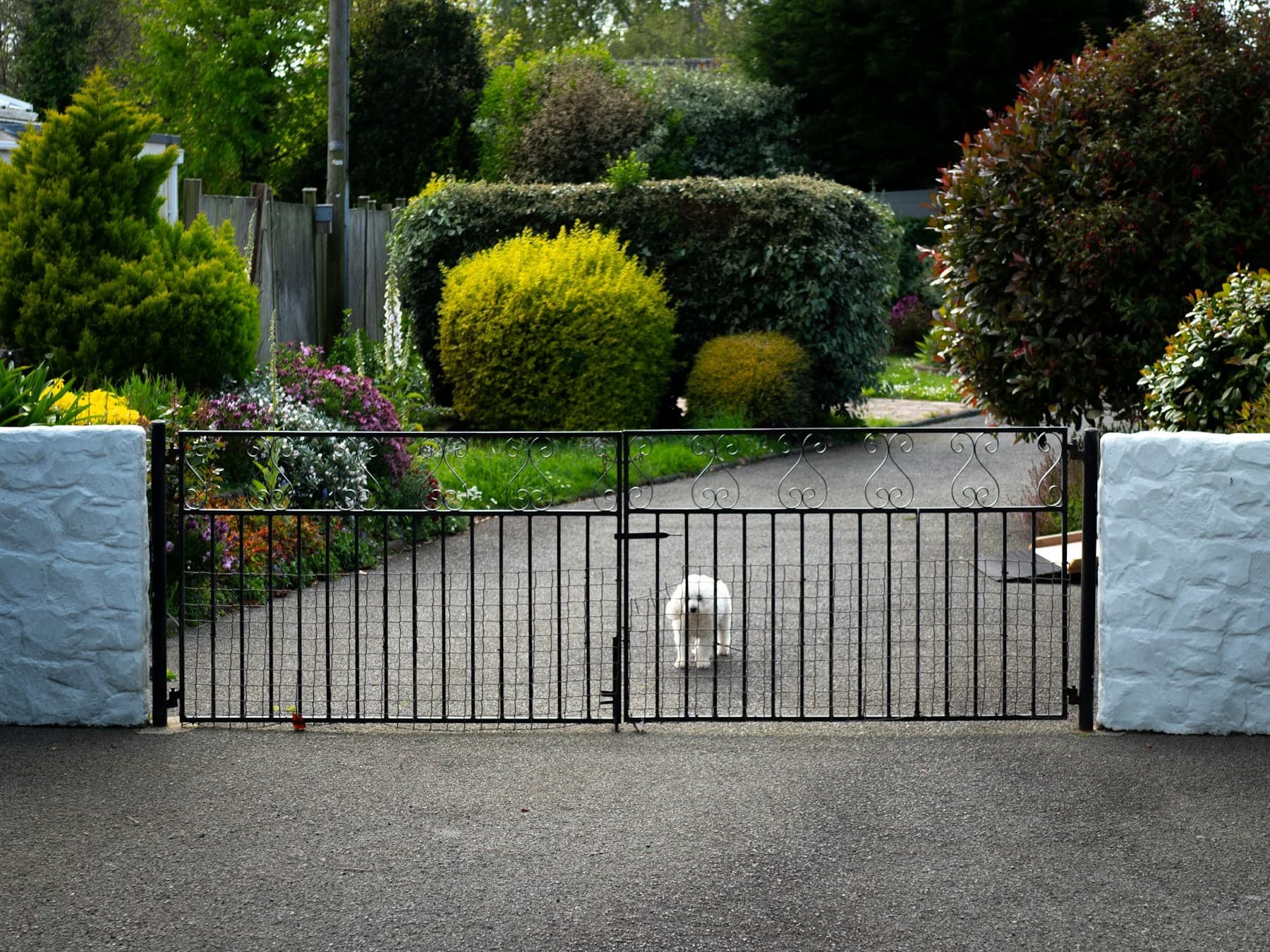
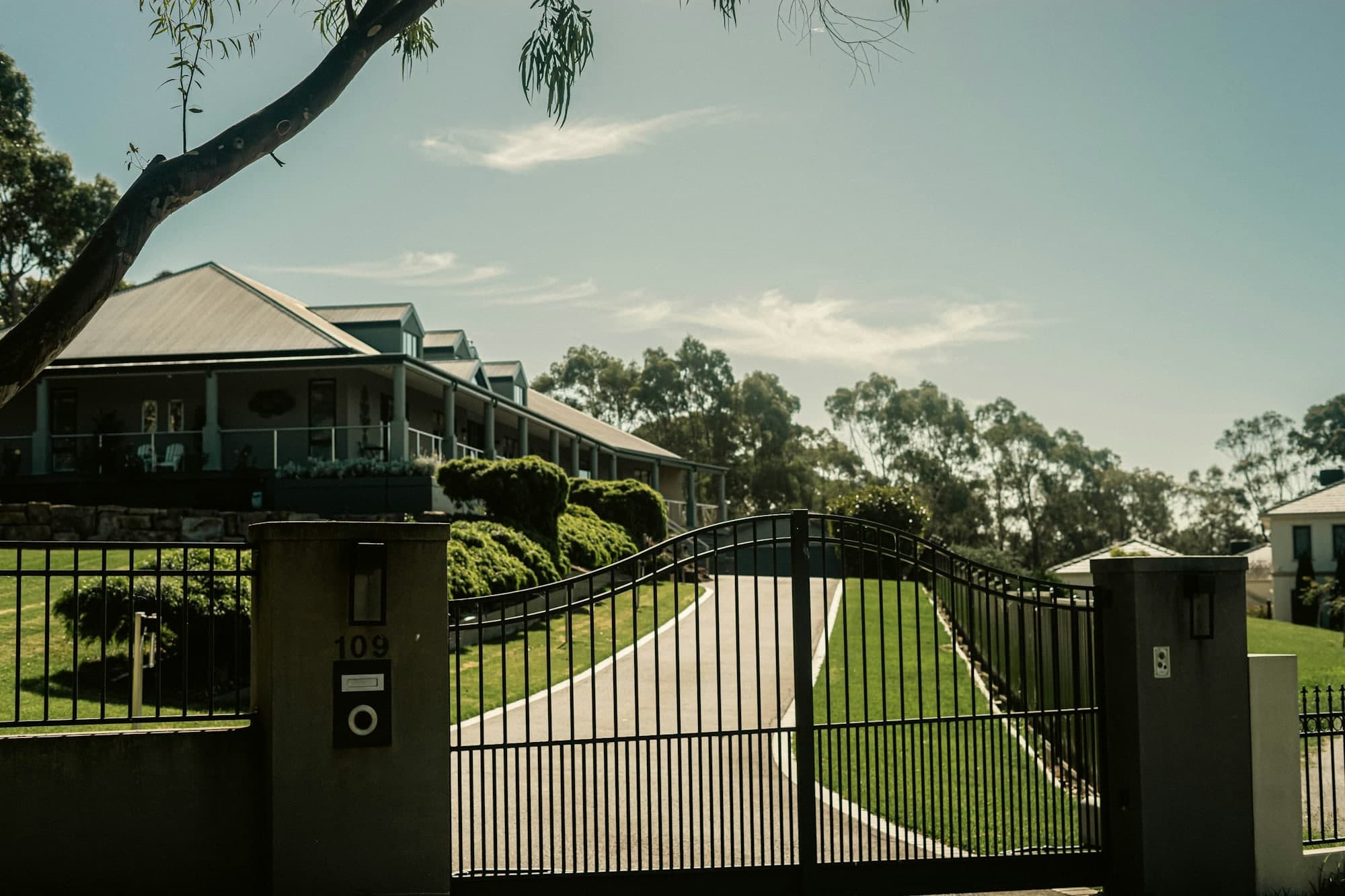
Slide between hedges
 Concept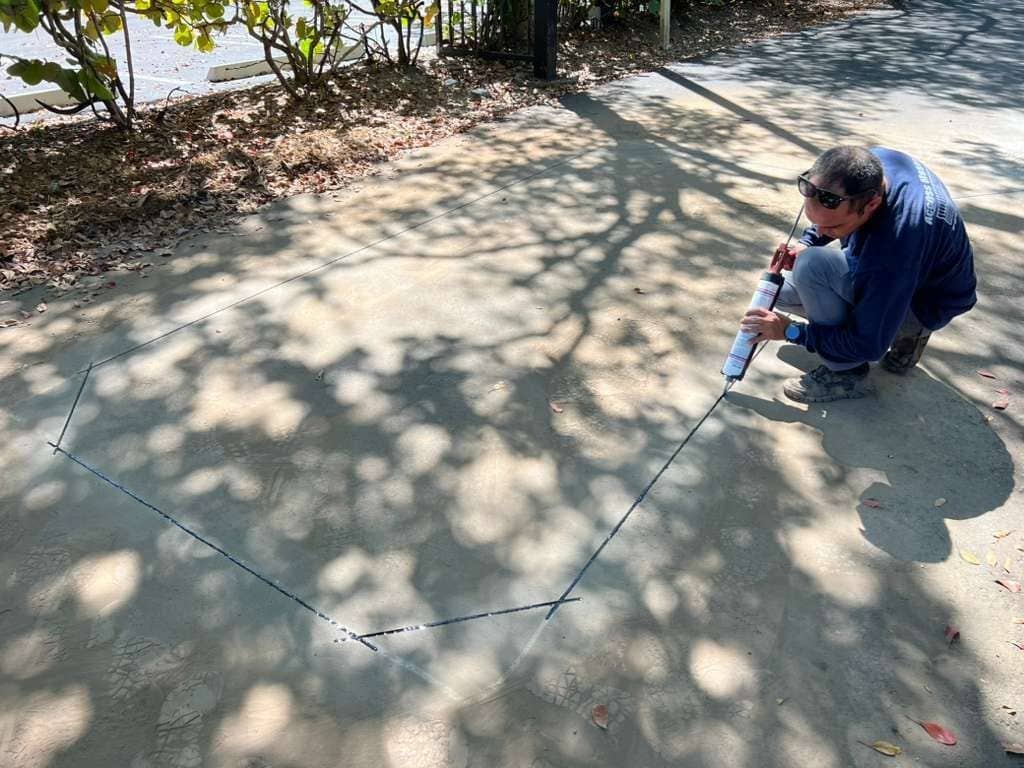
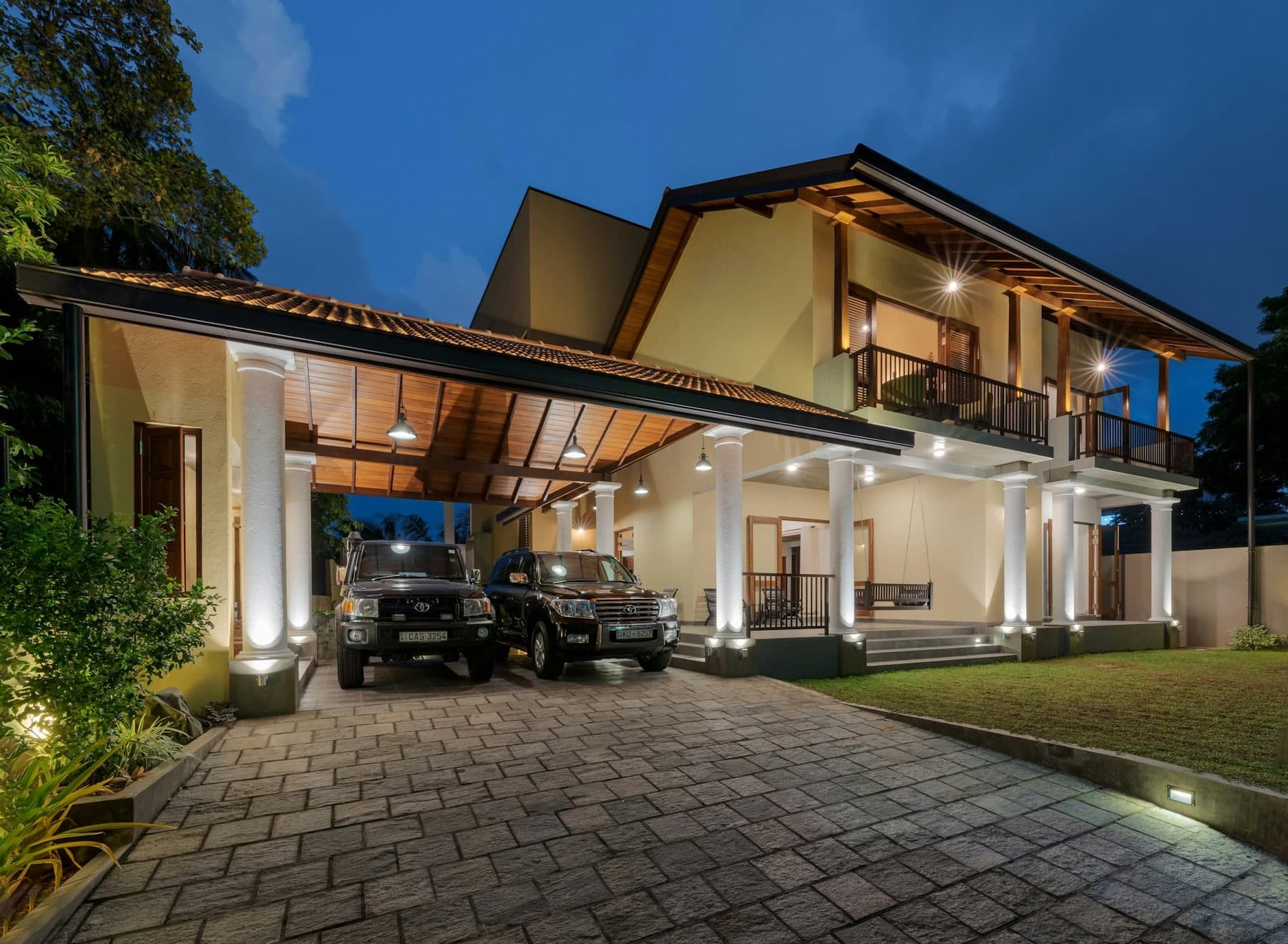
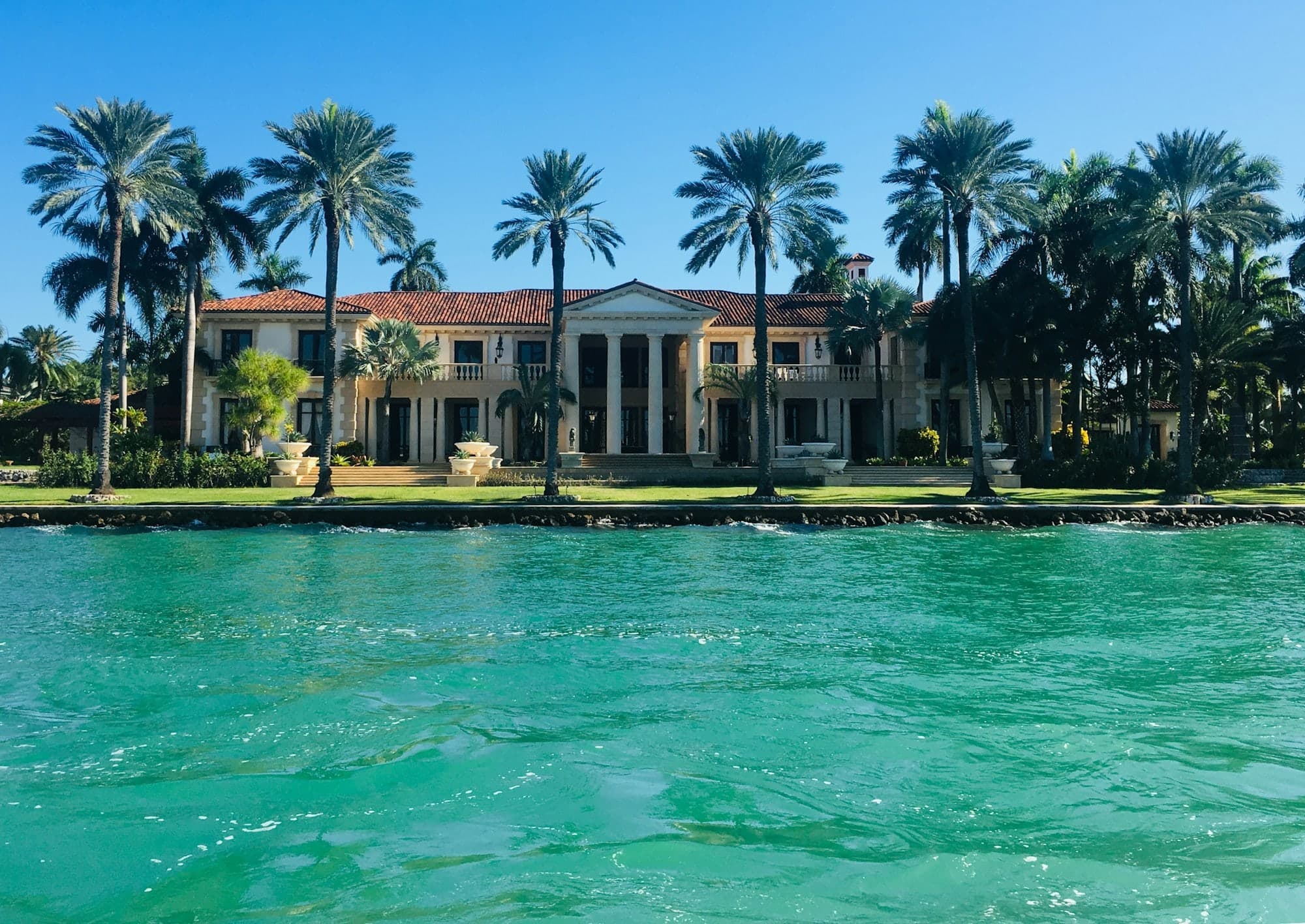
Key Biscayne · Miami-Dade County
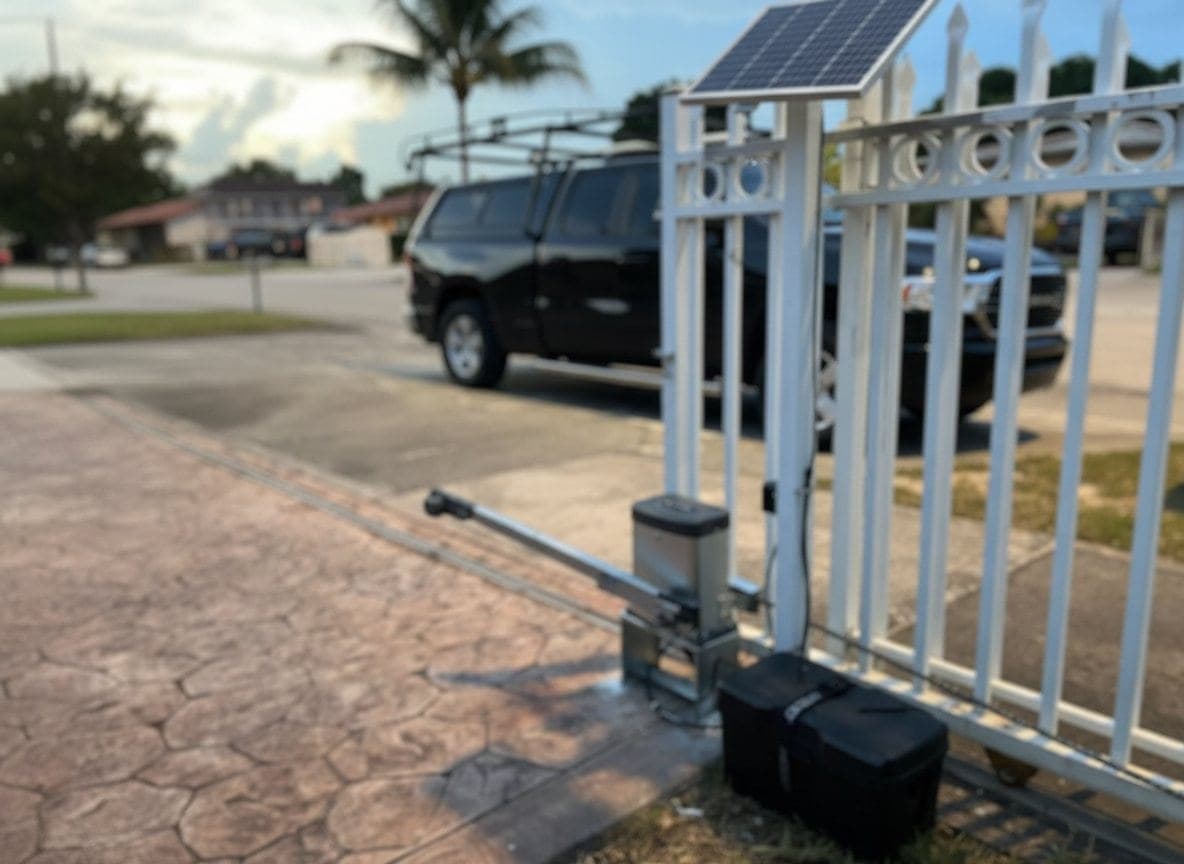
Two things separate a commissioned gate from a fitted one. The detection actually stops and reverses the leaf, tested rather than assumed. And there is a manual release you can find in the dark, with battery or solar backup where the site suits it.
Salt reaches the operator long before it shows on the frame. On the addresses nearest the water the enclosure, the hardware and where the control box is mounted matter as much as the motor inside it.
Waterfront and inlet addresses frequently sit under a town or association design guideline of their own, on top of whatever the county requires.
Inside the High-Velocity Hurricane Zone
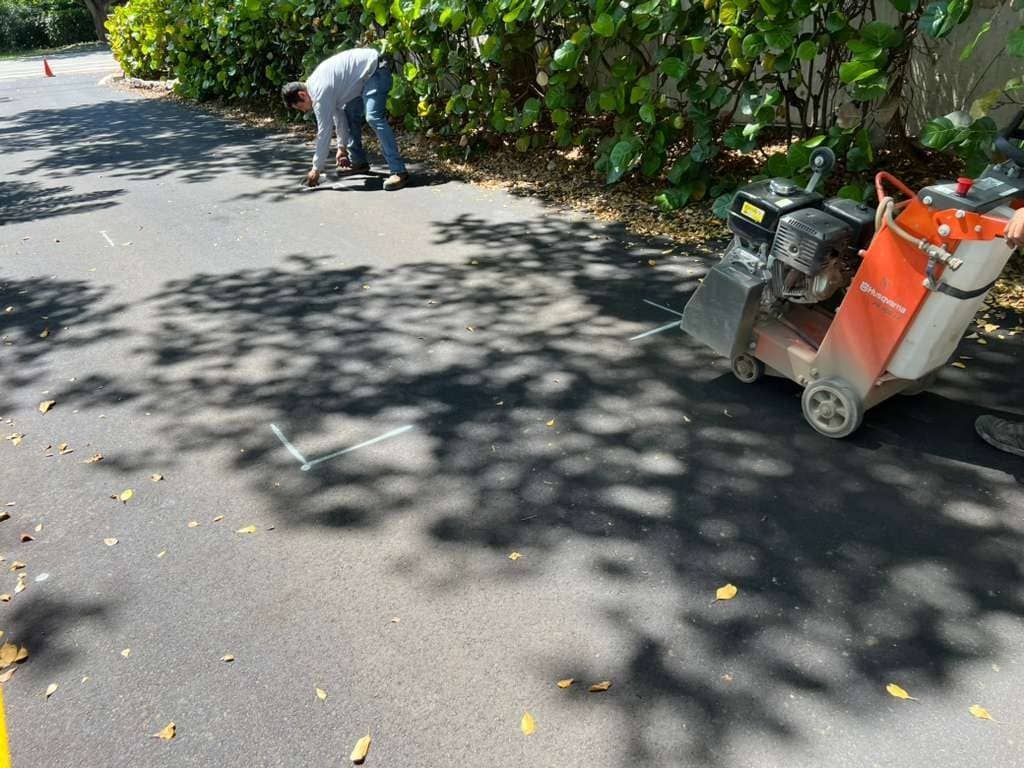
Miami-Dade sits inside the Florida Building Code's High-Velocity Hurricane Zone, the strictest wind-load regime in the state, so the rating on posts, panels and hardware is not a nice-to-have here. Permits on top of that are issued locally — by the municipality or by the county — so what Key Biscayne wants to see on paper is worth confirming before anything is cut.
Before / after
Drag it backto how we found it.
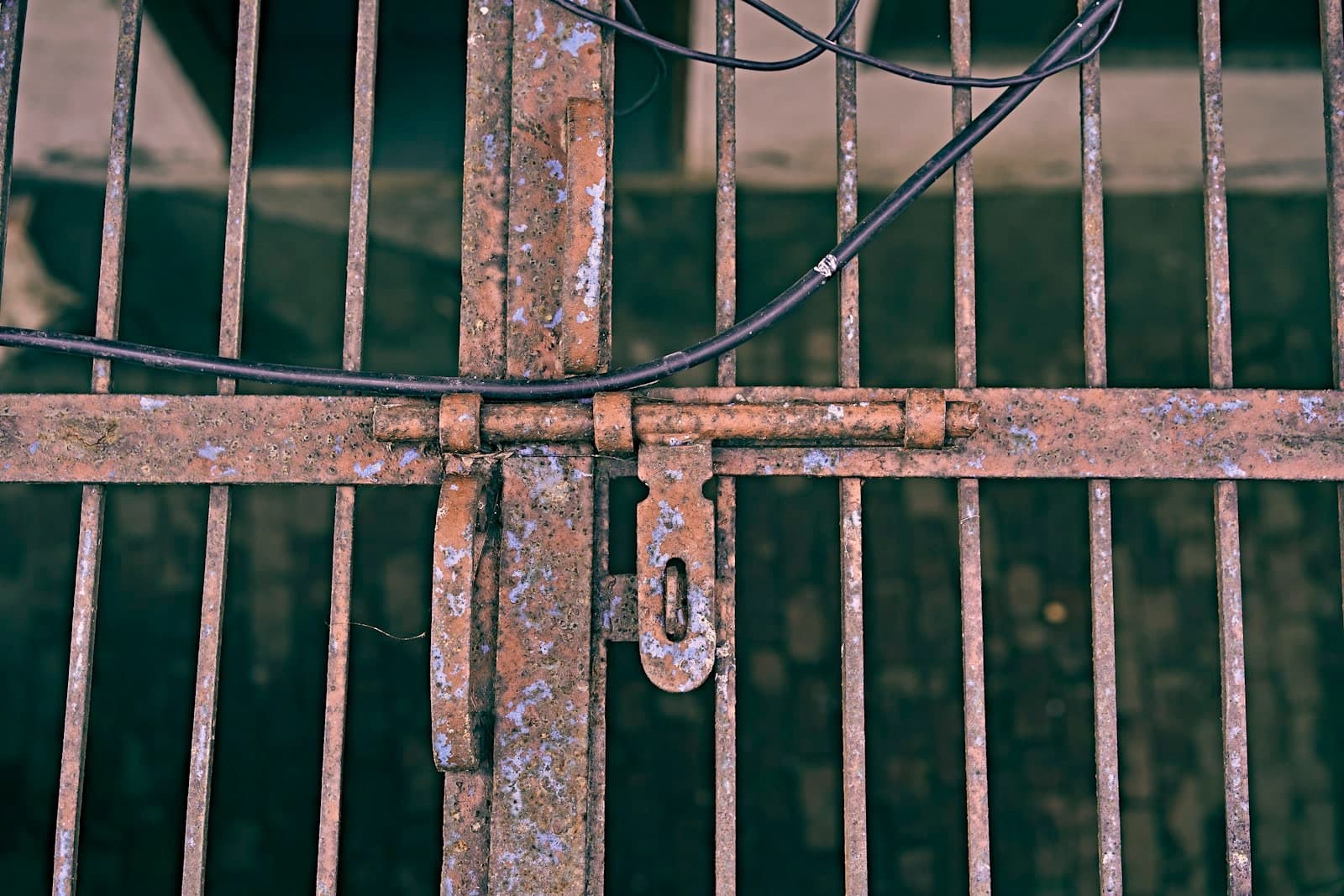
Same job, same angle. Nothing staged between the two frames.
Before you call
- Operator sized to weight
- Safety sensors
- Loop detection
- Phone control
- Specified for salt exposure
- How loud is it?
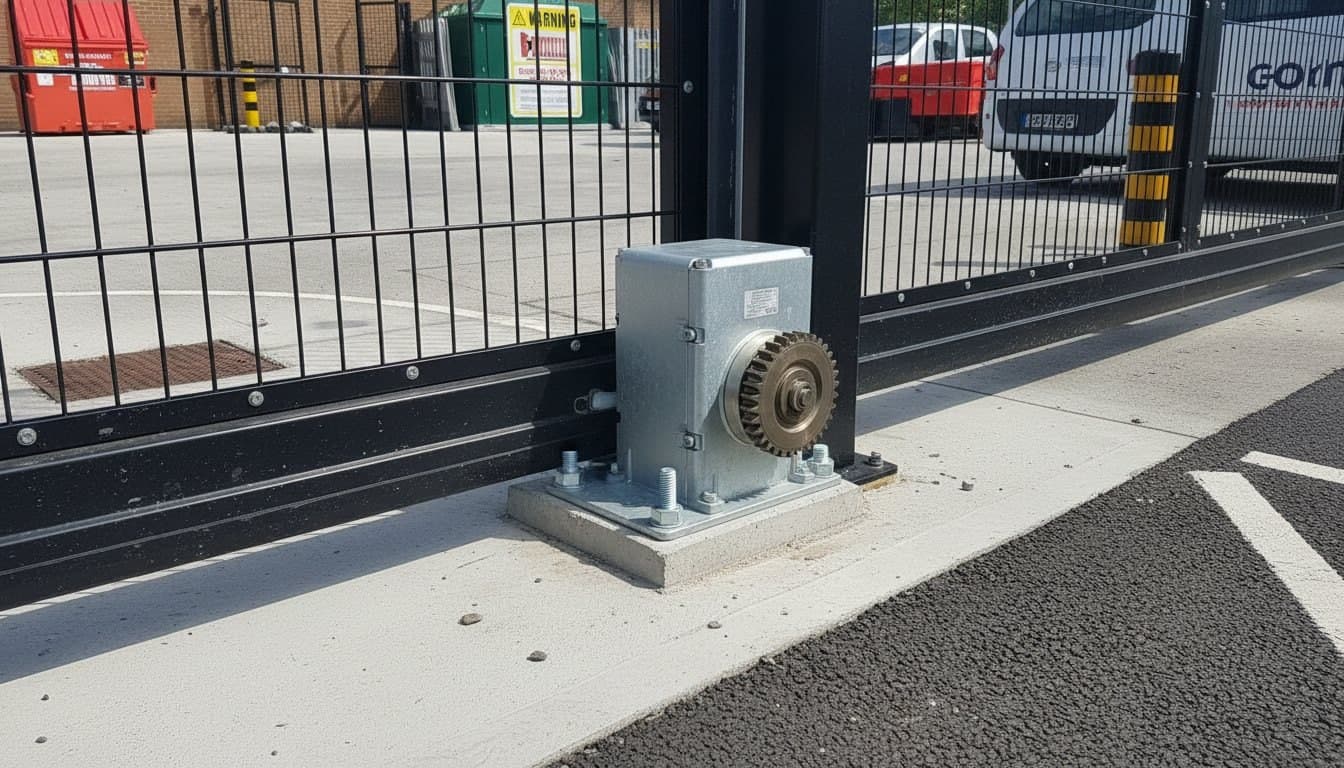
- The operator type decides most of that. Hydraulic, screw-drive and rack-and-pinion units do not sound alike, which is worth knowing before one is fitted.
- Will it survive this close to the water?
- Salt is the design brief on the coast, so material, fixings and finish are chosen for the exposure rather than for the photograph.
- Does the finish need redoing eventually?
- Coatings on the water have a working life. Knowing that at the start is better than discovering it, and it is part of what the material choice trades off.
- Do I need a permit for this?
- Often, and Miami-Dade is inside the High-Velocity Hurricane Zone, so the wind rating matters too. Permits are issued locally, so we confirm what your authority wants before we start.

Nearby
The towns marked The barrier islands share the same geography as Key Biscayne.
- Bal HarbourThe barrier islandsAutomatic Gate Installation in Bal Harbour
- Golden BeachThe barrier islandsAutomatic Gate Installation in Golden Beach
- Miami BeachThe barrier islandsAutomatic Gate Installation in Miami Beach
- Sunny Isles BeachThe barrier islandsAutomatic Gate Installation in Sunny Isles Beach
- SurfsideThe barrier islandsAutomatic Gate Installation in Surfside
- Cutler BayMiami-Dade CountyAutomatic Gate Installation in Cutler Bay
- DoralMiami-Dade CountyAutomatic Gate Installation in Doral
- HialeahMiami-Dade CountyAutomatic Gate Installation in Hialeah
Next step
Send a photograph of the entrance and roughly what you want it to do. That is enough to start a real conversation.
Index
Everything else in Key Biscayne — and everywhere else for automatic gates.
One page per trade per town. If this is the right town and the wrong trade, or the right trade and the wrong town, it is one click from here.
Miami-Dade County
Broward County
Marked towns sit in The barrier islands — the same group as Key Biscayne on the Miami-Dade County page.